
Research
Optimizing Functional Near-Infrared Spectroscopy Preprocessing for Young Children
Smith College | Advised by Professor Maya Rosen and Dr. Catherine Mikkelsen
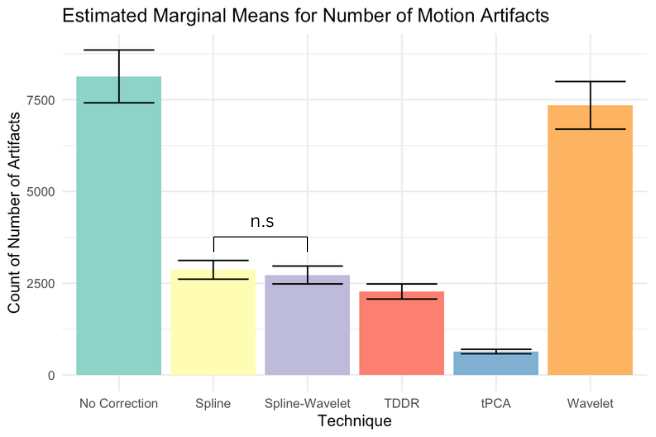
The field of functional near-infrared spectroscopy (fNIRS) neuroimaging lacks consensus on the optimal preprocessing pipeline for data from young children. In my undergraduate honors thesis, I used MATLAB to compare the performance of six different motion correction algorithms on over 350 runs of fNIRS data from children aged 4-6. The algorithms were assessed on the number of motion artifacts, within-subject standard deviation, and overcorrection of expected brain activation during a working memoery task. From my work, I determined that targeted principal component analysis (tPCA) was the most effective motion correction algorithm on data from young children. This research has been adapted towards future analysis pipelines of fNIRS data for the MIND Lab at Smith College.
Towards a User-Friendly Pipeline for Creating Arbitrary Likelihood-Free Models in HSSM
Brown University | Advised by Dr. Alexander Fengler and Professor Michael J. Frank
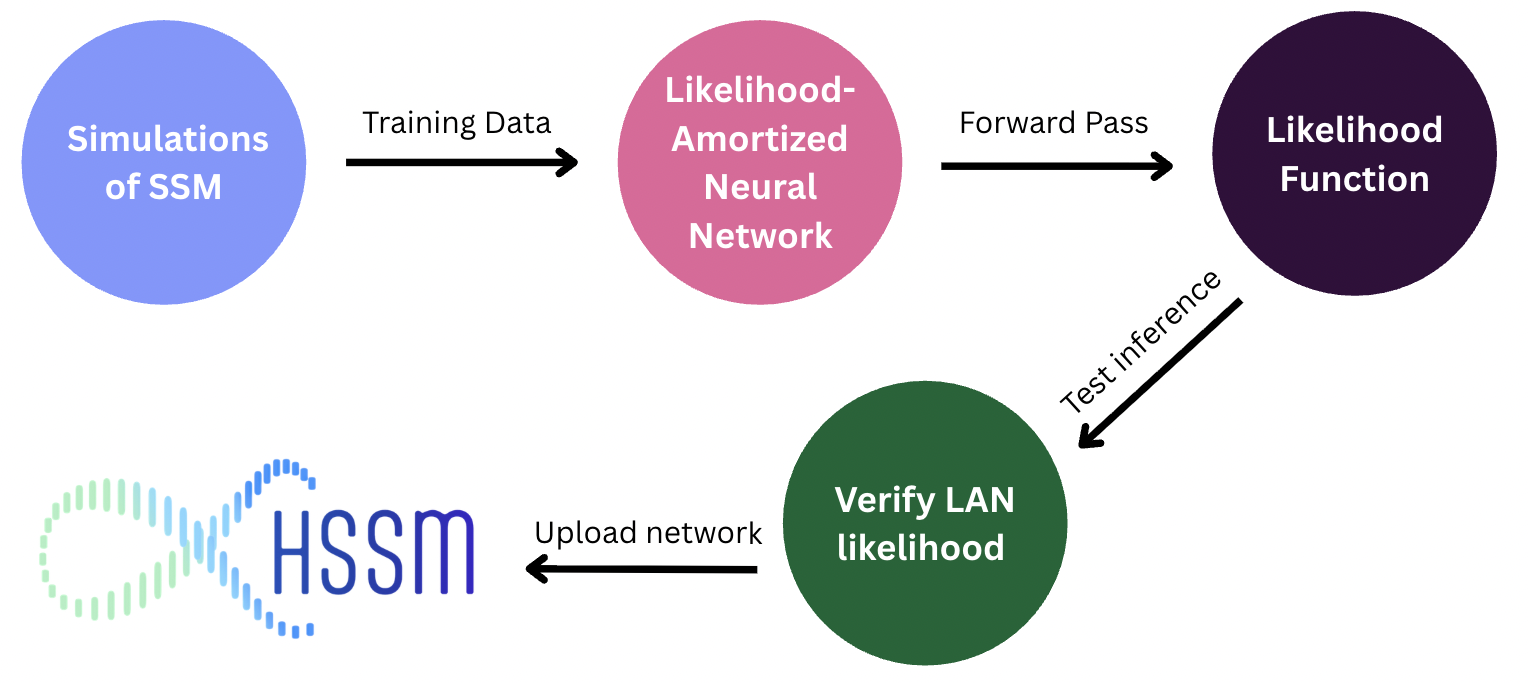
Sequential-sampling models (SSMs) have emerged as an important tool to investigate the underlying cognitive dynamics governing decision-making. During the summer of 2025, I worked with the Laboratory of Neural Computation and Cognition at Brown University to aid in development of the Hierarchical Sequential Sampling Modeling (HSSM) Python package. The package use neural networks to enable parameter estimation for SSMs lacking analytical likelihoods. My contributions consisted of developing a command-line-interface for the package, creating documentation, and adding a new model to package functionality.
Effect of Moderate Hypoxia and Cognition Training on Brain Volume in Patients with Affective Disorders
Denmark Institute for Study Abroad | Advised by Professor Julian Macoveanu
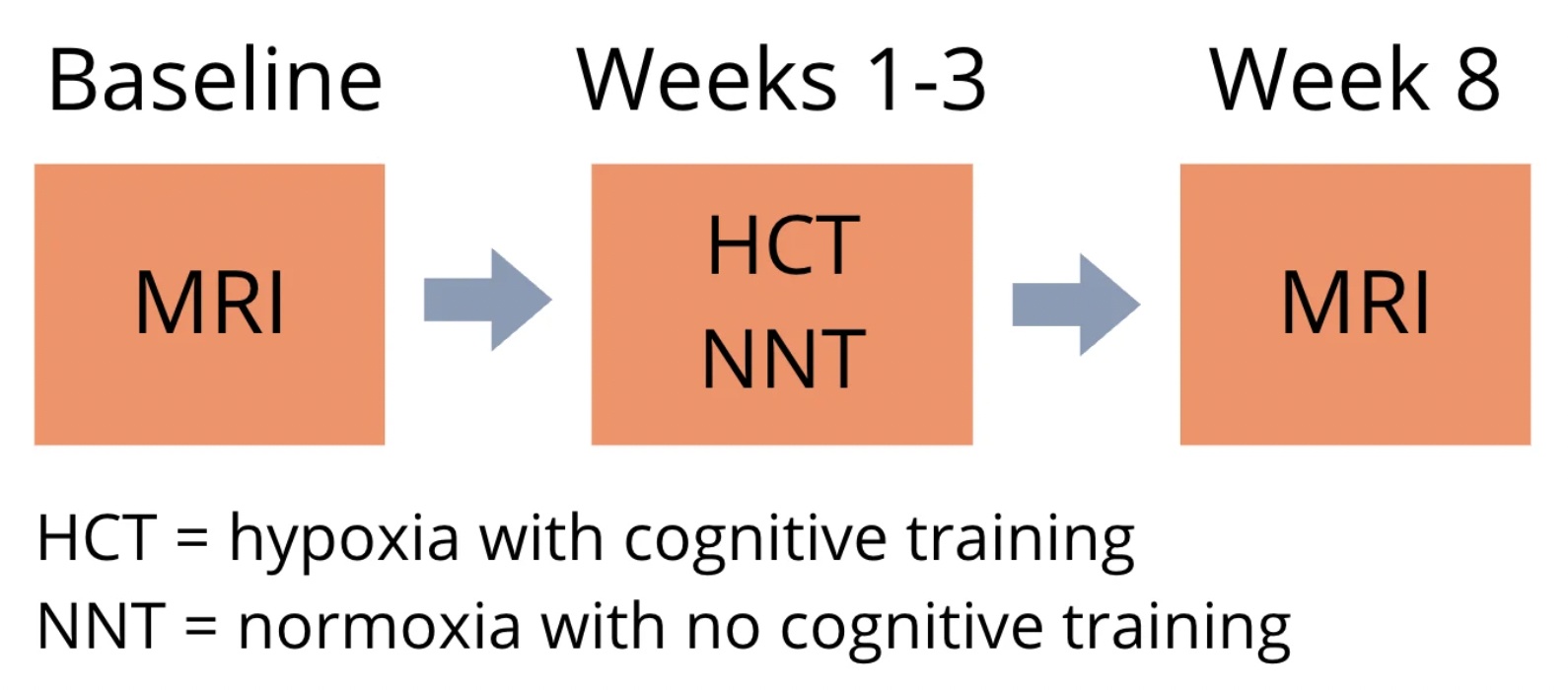
Cognitive impairments are a common consequence of neuropsychiatric disorders such as major depressive disorder (MDD) and bipolar disorder (BPD). There currently exists no long-lasting treatment for such symptoms. The ALTIBRAIN clinical trial at Rigshospitalet in Copenhagen uses moderate hypoxia and cognition training as an invervention for these cognitive impairments. In this project, I conducted quality assessments on T1-weighted MRI scans and analyzed the effects of the intervention on cortical volume using linear mixed models. Preliminary results found that the intervention of hypoxia and cognition training had no effect on brain structure.